About SS 304 Plate
Specification
| Material Grade | 304L, 304 |
| Steel Grade | SS304 L |
| Surface Treatment | COLD ROLLED |
| Finish | Mirror Polished |
| Thickness | 0.5 - 50 MM |
| Usage/Application | Oil, Gas, Pharmaceutical, Chemical |
| Material | STAINLESS STEEL 304, 304L |
| Standard | ASTM |
| Shape | Square |
| Brand | Bhavya Steel Pipe |
| Color | Silver |
| Length | 2500 MM |
| Country of Origin | Made in India |
| Width | 1250 mm - 2500 |
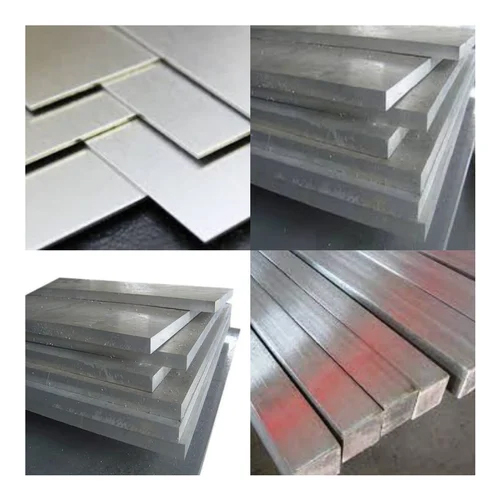
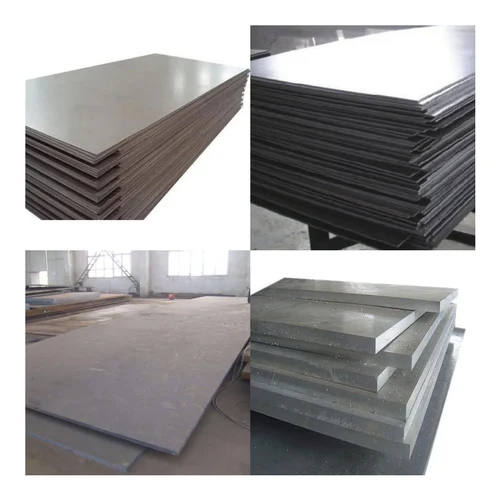
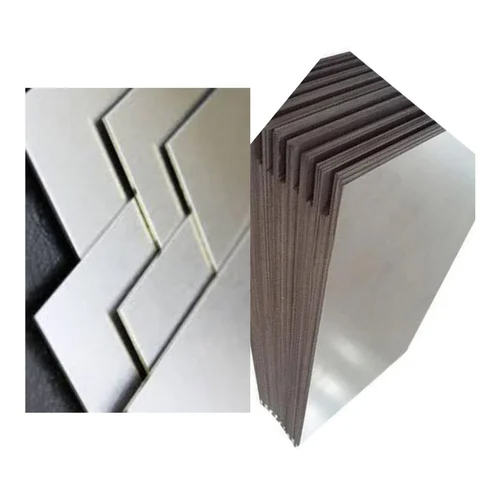
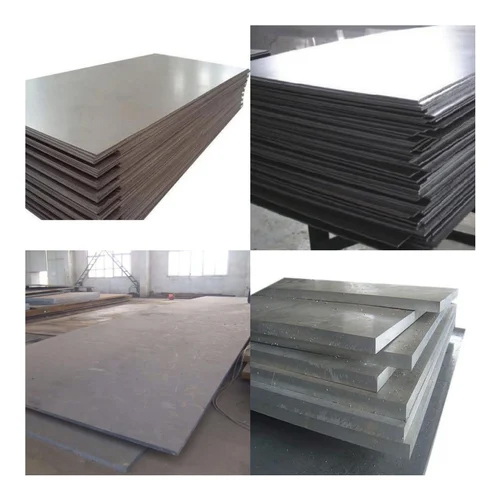
High-Performance Stainless Steel PlatesEngineered for durability and versatility, our SS 304 and 304L plates are a preferred choice for industries requiring robust materials that withstand harsh environments. Their polished surfaces and resistance to corrosion make them suitable for sensitive applications in pharmaceuticals, chemicals, oil, and gas. Easy to handle and maintain, these plates represent quality you can trust.
Multiple Applications Across IndustriesStainless Steel 304 plates are extensively used in diverse sectors, such as oil refineries, chemical processing, and pharmaceutical production. Their adaptability and strength allow them to be fashioned into equipment, tanks, and structural components, providing reliable service and prolonged life in both indoor and outdoor settings.
FAQ's of SS 304 Plate:
Q: How are SS 304 plates manufactured and finished?
A: SS 304 and 304L plates are manufactured using high-grade stainless steel, processed through rolling and heat treatment to achieve desired mechanical properties. Each plate is polished, resulting in a smooth, silver finish that enhances both appearance and corrosion resistance.
Q: What are the main benefits of using SS 304 plates in industrial applications?
A: The primary benefits include excellent corrosion resistance, high durability, and ease of fabrication. These qualities make SS 304 plates suitable for oil, gas, pharmaceutical, and chemical industries, ensuring reliability even in demanding environments.
Q: When should I choose grade 304 or 304L stainless steel plates?
A: Grade 304 is ideal for most general applications, while 304L, with its lower carbon content, is recommended when improved weldability or resistance to sensitization is required, particularly in pharmaceutical or chemical processing equipment.
Q: Where can stainless steel 304 plates be used?
A: These plates are widely used in the construction of tanks, pipelines, machinery, and structural frameworks across oil, gas, chemical, and pharmaceutical industries, owing to their strength and resistance to harsh chemicals.
Q: What processes are involved in shaping and installing these plates?
A: SS 304 plates can be cut, welded, formed, and fabricated according to specific project requirements. They are compatible with standard metalworking techniques and can be installed using conventional joining methods.
Q: How does the polished surface improve the performance of SS 304 plates?
A: The polished finish not only enhances the aesthetic appeal but also offers superior resistance to pitting and crevice corrosion, making the plates especially suitable for environments where cleanliness and hygiene are crucial.








 Send Inquiry

 Send Inquiry
