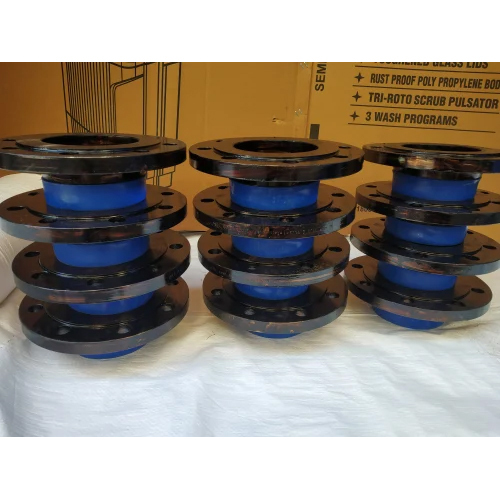
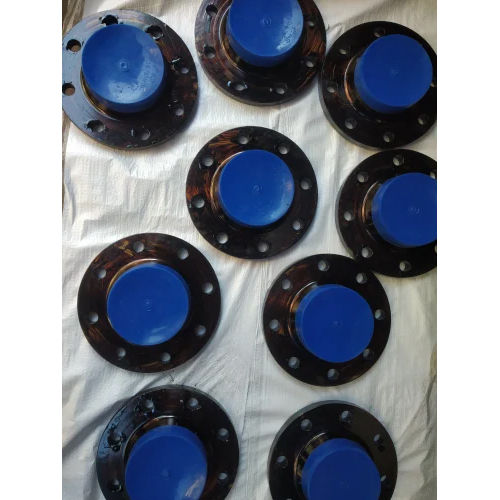
Every ASTM A182 F9 flange is produced through advanced forging techniques, ensuring mechanical properties like a minimum tensile strength of 415 MPa and a yield strength of at least 205 MPa. The strict tolerance of +/- 0.5 mm means each flange maintains accurate dimensions for seamless pipeline integration. These features make this product especially suitable for critical environments demanding both structural integrity and performance reliability.
Our flanges undergo a thorough inspection regime including 100% radiography, ultrasonic tests, and Positive Material Identification (PMI) to certify quality and traceability. Markings follow standard mill practices or can be customized as per client specifications. Complete compliance with ASTM A182 and other international standards ensures dependable operation in services such as oil, gas, chemical, and power plants.
FAQ's of Astm A182 F9 Flanges:
Q: How are ASTM A182 F9 flanges tested for quality and reliability?
A: ASTM A182 F9 flanges are subject to stringent quality controls, undergoing 100% radiography, ultrasonic testing, and Positive Material Identification (PMI). These processes verify internal soundness, proper material composition, and adherence to required standards, ensuring each flange meets the highest quality benchmarks.
Q: What face types are available for these flanges and when should each be used?
A: These flanges come in Raised Face (RF), Flat Face (FF), and Ring Type Joint (RTJ) options. Raised Face is ideal for general industrial applications, Flat Face is suitable for low-pressure systems or where full face gaskets are required, while RTJ is preferred for high-pressure, critical sealing environments.
Q: Where can ASTM A182 F9 flanges be utilized?
A: These flanges are widely used in industries such as oil and gas, petrochemical, power generation, and refineries, particularly where high strength, corrosion resistance, and durable connections are vital. Their compliance with international standards allows for global application.
Q: What benefits do these alloy steel flanges provide over other materials?
A: ASTM A182 F9 alloy steel flanges offer superior strength, exceptional corrosion resistance, and reliable durability. Their high alloy content ensures longevity and reduced maintenance in aggressive service conditions compared to standard carbon steel flanges.
Q: How are these flanges typically connected and what options are available?
A: Connection options include welded, bolted, slip-on, blind, socket weld, lap joint, and threaded types. The choice depends on application requirements such as pressure, accessibility, and ease of assembly or maintenance.
Q: What dimensional tolerances can be expected for ASTM A182 F9 flanges?
A: These flanges are manufactured with a tight tolerance of +/- 0.5 mm, ensuring precise fitting and consistent assembly according to standard specifications or customer drawings.
Q: Why choose a distributor, exporter, manufacturer, or supplier from India for these flanges?
A: Indian suppliers are renowned for advanced manufacturing capabilities, competitive pricing, and strict adherence to international standards, making them a trusted source for ASTM A182 F9 flanges across global markets.








 Send Inquiry

 Send Inquiry
